
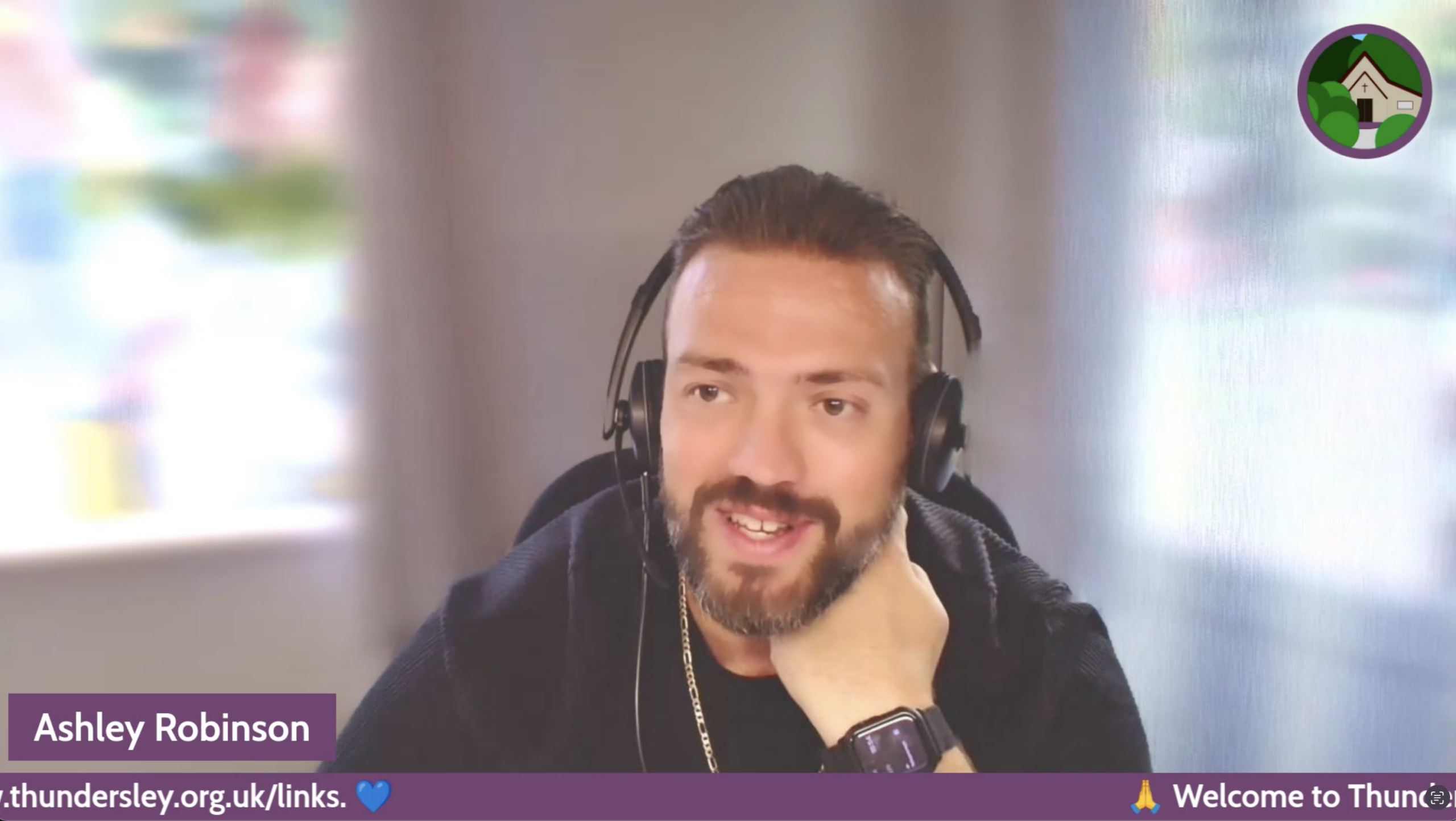
By Ashley Robinson
At this week’s Divine Service, I wanted to share a message that sits very close to my heart. It is a message about difference, belonging, mental health and the spiritual truth that every soul is valuable exactly as it is.
As a lifelong Spiritualist and Minister, I have spent many years reflecting on how Spirit works through each of us. One thing I have come to understand is that there is no such thing as a “normal” soul. Each of us experiences life differently, and those differences are not flaws to be corrected. They are part of the unique journey of spirit.
When Your Mind Feels Different
Have you ever felt that your brain works differently from everyone else’s?
Perhaps your thoughts move faster than you can express them. Perhaps you experience emotions more deeply than those around you. Maybe school, work or even social situations have sometimes felt as though they were designed for somebody else.
If that sounds familiar, I want you to hear this clearly:
There is nothing wrong with you.
From a spiritual perspective, those differences can be seen as part of the divine individuality of the soul. Spiritual philosophy teaches that the light of Spirit shines equally within every person, regardless of how they think, learn, communicate or experience the world.
Understanding Neurodiversity
Today, science uses the term neurodiversity to describe the natural variation in how human brains function. Conditions such as ADHD, autism, dyslexia and dyspraxia are increasingly understood not as defects, but as different ways of experiencing and interacting with the world.
History is filled with examples of remarkable individuals whose minds worked differently. Figures such as Albert Einstein, Leonardo da Vinci and Nikola Tesla are often cited as examples of people whose unique ways of thinking helped them change the world. Their differences were not barriers to achievement. In many ways, they became their strengths.
A world filled with only one type of thinker would be a poorer and less creative place. Diversity of thought enriches humanity.
The Hidden Challenge of Feeling Different
However, acknowledging difference as a gift does not mean ignoring the challenges that can come with it.
Many neurodivergent people experience exhaustion from constantly trying to fit into environments that were not designed with them in mind. They may face misunderstanding, exclusion, bullying or discrimination. Over time, these experiences can create feelings of loneliness, isolation and self-doubt.
This is particularly important when discussing mental health.
As part of Mental Health Awareness initiatives and discussions around Men’s Mental Health, I spoke about the tragic loss of my godson, who died by suicide. One of the most painful realities was that many people simply did not realise how much pain he was carrying. The conversations were not happening openly enough.
Why We Need to Talk About Mental Health
For too long, many people, particularly men and boys, have been encouraged to hide their struggles.
Phrases such as “man up” or “get on with it” may appear harmless, but they can discourage people from seeking help when they need it most.
Silence is not strength.
True strength is having the courage to speak honestly about how we feel and allowing others to support us when life becomes difficult.
As a spiritual community, we have an opportunity and a responsibility to create spaces where people can safely say:
“I’m not okay today.”
Sometimes the most important thing we can offer another person is simply our presence, our compassion and our willingness to listen.
The Alarming Reality
Research shows that neurodivergent individuals face significantly higher risks of mental health difficulties and suicidal thoughts than the wider population. Ashley shared several concerning statistics during his address, highlighting the increased vulnerability experienced by many autistic individuals and others within the neurodivergent community.
The reasons are complex, but common themes include exclusion, misunderstanding, discrimination and feeling disconnected from those around them.
These are not simply medical issues. They are also social and spiritual challenges that require greater compassion, awareness and understanding from all of us.
The Importance of Safe Spaces
Ashley also reflected on research showing that within LGBTQ+ communities, having just one psychologically safe person to confide in can significantly reduce the risk of suicide.
This is a powerful reminder of the impact that human connection can have.
Whether someone is neurodivergent, questioning their identity, struggling with mental health or simply feeling alone, knowing that there is one person who will listen without judgement can make an enormous difference.
This is one of the reasons spiritual communities matter.
At their best, churches and spiritual groups provide a place where people can feel accepted, supported and valued for who they truly are.
You Belong Here
One of the most powerful messages from Ashley’s address was simple:
You are enough.
You do not need to become somebody else to deserve love, acceptance or spiritual connection.
You do not need to fit into someone else’s box.
Your unique mind, personality, experiences and perspective all have value.
As Spiritualists, we believe that every soul is part of the greater whole and that each individual carries divine worth. Spirit does not make mistakes.
Whatever challenges you may be facing today, please remember that you are not alone. Reach out. Talk to someone. Connect with your community.
Because you matter more than you may realise.
And because there is a reason you are here.
Join Us at Thundersley Christian Spiritualist Church
At Thundersley Christian Spiritualist Church, we welcome people from all walks of life. Whether you are exploring spirituality for the first time, seeking comfort, looking for community or simply searching for a place where you can be yourself, you will always receive a warm welcome.
Together, we can create a community where everyone knows they belong.
If you are struggling with your mental health or experiencing thoughts of self-harm, please seek support from a trusted friend, family member, healthcare professional or support organisation such as the Samaritans by calling 116 123.
This article was drafted using Chat GPT AI from a transcript of Ashley Robinson’s spiritual address during our Divine Service on 14th June 2026. Edited by humans.