

Reflections on 1 Corinthians 13 and the enduring power of Christian love.
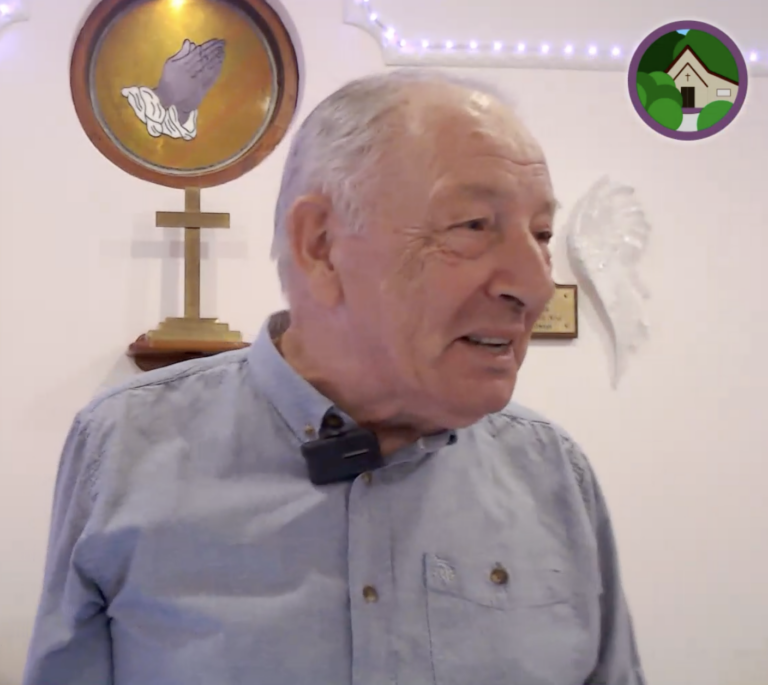
During our Divine Service, Simon shared a beautiful and meaningful reading from the First Letter of Paul to the Corinthians, Chapter 13.
Often referred to as the Bible’s great chapter on love, 1 Corinthians 13 reminds us that, whatever our abilities, achievements or spiritual gifts, it is love that gives them their true value.
Paul’s Letter to the Corinthians: Why Love Matters
The Apostle Paul wrote his letters to the early Christian communities during a period when Christianity was spreading throughout the Roman world. These communities were learning how to live according to the teachings of Jesus Christ, often facing challenges, disagreements and uncertainty along the way.
Paul’s first letter to the Corinthians addresses many aspects of Christian life, including spiritual gifts, faith, worship and the importance of unity within the community.
In Chapter 13, Paul places love above all other spiritual qualities. He explains that even the most extraordinary gifts, whether speaking with the eloquence of angels, possessing great knowledge, foretelling the future or having faith strong enough to move mountains, mean nothing without love.
This is a remarkable message because it reminds us that spirituality is not simply about what we know, what we believe or what we are capable of doing. It is also about how we treat one another.
We might possess considerable knowledge, have great faith or dedicate ourselves to helping others, but if our actions are not motivated by genuine love and compassion, something essential is missing.
Love Is Patient, Kind and Without Selfishness
One of the most familiar parts of 1 Corinthians 13 describes the qualities of love.
Paul tells us that love is patient and kind. It is not envious, boastful or proud. It does not seek its own advantage, become easily angered or keep a record of wrongs.
These are qualities that we can all recognise, but they are not always easy to practise.
In our everyday lives, we encounter situations that test our patience and understanding. We may disagree with others, feel disappointed by someone’s actions or struggle to forgive those who have hurt us.
Yet Paul’s words encourage us to rise above these difficulties and approach others with kindness, humility and compassion.
Love is not simply an emotion or something we express through words. It is something we demonstrate through our behaviour, our choices and our willingness to understand and support one another.
Within our church community, this message is particularly important. We come together from different backgrounds, with different experiences and perspectives, but we are united by our shared desire to develop spiritually and support one another.
By showing patience, offering encouragement and treating others with respect, we put the teachings of Christ into practice.
Love Never Fails: The Enduring Nature of Spiritual Love
Another particularly powerful statement in Paul’s letter is found in 1 Corinthians 13:8:
“Love never fails.”
Paul explains that prophecies will eventually cease, tongues will become silent and knowledge, as we understand it, will pass away. Yet love remains.
From a Christian Spiritualist perspective, this message has a special significance.
Our belief in the continuation of life beyond physical death encourages us to consider the enduring nature of the spiritual bonds we share with others.
The love we feel for our family, friends and those who have passed into the Spirit World is not something we believe simply disappears when physical life comes to an end.
Rather, love is central to our understanding of spiritual existence, connecting us through compassion, remembrance and the relationships that shape our lives.
Paul’s words were written within the context of early Christian teachings about the eternal nature of love. For Spiritualists, they also resonate with our belief that spiritual life continues beyond the physical world.
This understanding can bring comfort to those experiencing grief and remind us that love is among the most precious qualities we develop during our earthly lives.
Growing in Spiritual Understanding
Towards the end of the chapter, Paul uses the example of growing from childhood into adulthood.
As children, our understanding of the world is limited by our experiences and development. As we mature, we begin to see things differently, gaining knowledge, wisdom and a deeper appreciation of life.
Paul uses this comparison to explain the limitations of human understanding.
He also describes our present knowledge as though we are looking at an imperfect reflection in a mirror. We can perceive something of the truth, but we cannot yet see the complete picture.
This is an important reminder that, however much we learn about the world and the spiritual nature of existence, there will always be things beyond our present understanding.
Spiritual development is therefore an ongoing journey.
Through prayer, reflection, experience and service to others, we can seek to deepen our understanding of ourselves, our relationship with God and our responsibilities towards those around us.
But we should also approach this journey with humility, recognising that none of us possesses all the answers.
Faith, Hope and Love: Three Lasting Qualities
Paul concludes his chapter with one of the most memorable statements in the Bible:
“And now these three remain: faith, hope and love. But the greatest of these is love.” – 1 Corinthians 13:13 (NIV)
Faith provides us with a foundation for our spiritual lives. It encourages us to trust in God, even when we cannot fully understand the circumstances we face.
Hope gives us the strength to look towards the future, particularly during times of difficulty, uncertainty or loss.
Love, however, is the quality that brings everything together.
It influences how we express our faith, how we offer hope to others and how we live our lives each day.
We can demonstrate love through the smallest acts of kindness, whether offering a listening ear, helping someone in need, showing forgiveness or simply making another person feel welcome and valued.
These actions may appear ordinary, but their influence can be extraordinary.
Within Christian Spiritualism, we recognise the importance of personal responsibility and spiritual progression. Paul’s teaching reminds us that love should remain at the centre of that development.
Living the Message of 1 Corinthians 13
The message of Simon’s reading is as relevant today as it was when Paul first wrote to the Christian community in Corinth.
We live in a world where differences of opinion, personal ambition and material concerns can sometimes overshadow the values of kindness and compassion.
Yet the teachings of Jesus, reflected so powerfully in Paul’s words, encourage us to place love at the centre of our lives.
We do not need extraordinary spiritual abilities or great achievements to make a positive difference. We can begin with the way we treat the people around us.
By practising patience, showing kindness, offering forgiveness and supporting those in need, we can help create a more compassionate world.
As we reflect upon this beautiful passage, perhaps we can each ask ourselves how we might demonstrate a little more love in our daily lives.
Because, whatever else may change, the message remains the same.
Faith, hope and love endure, but the greatest of these is love.
God bless.
Amen.
Bible Reading Reference
1 Corinthians 13:1-13 – The Greatest Gift: Love
The reading comes from the First Epistle of Paul to the Corinthians in the New Testament. The chapter explores the relationship between spiritual gifts and love, the qualities of genuine love, the limitations of human understanding and the enduring importance of faith, hope and love.
The reading was delivered by Simon Coote during the Divine Service at Thundersley Christian Spiritualist Church on Sunday, 1 November 2026.
This article was drafted with Chat GPT AI from a transcript of Peter’s bible reading. Edited by Humans. Featured image created by Chat GPT.