

Bible Reading: Matthew 7:15-23
This week’s Bible reading follows on from my reading last week about the temptation of Jesus and the ways in which temptation can work upon our weaknesses. This time, we turn to Jesus’ warning about false prophets and His teaching that we can recognise people by the fruits of their actions.
Last week, we considered how the tempter works upon our weaknesses and desires, presenting attractive possibilities that can lead us away from our spiritual truth and the Word of God. This week’s reading follows a similar theme, but asks us to think particularly about deception and those who may appear to offer something good while their intentions or actions tell a different story.
Jesus warns us in Matthew’s Gospel:
“Watch out for false prophets. They come to you in sheep’s clothing, but inwardly they are ferocious wolves.”
The message that follows is simple and powerful: “By their fruit you will recognise them.”
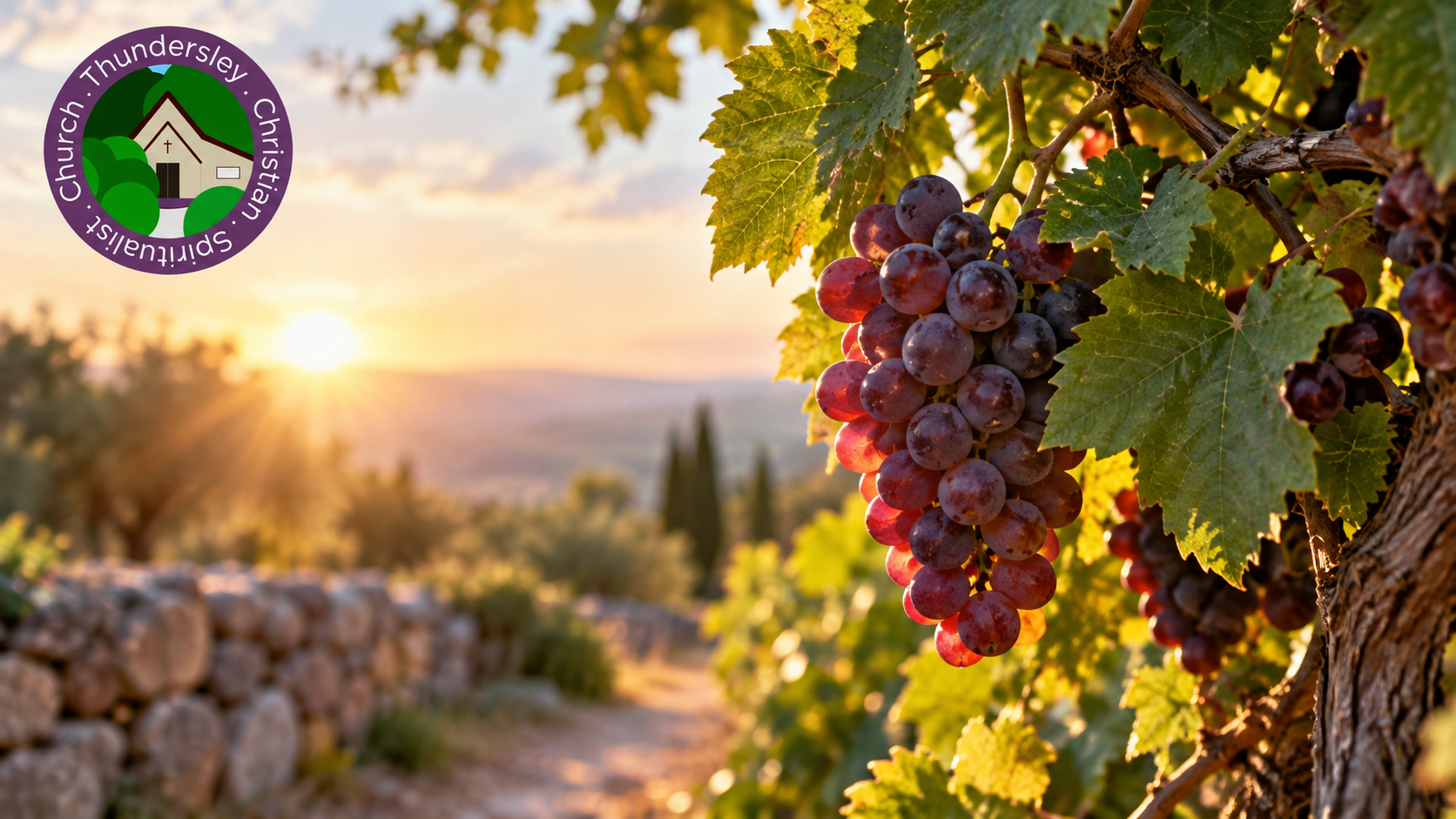
Jesus uses the image of a tree to help us understand this. Grapes are not gathered from thorn bushes, nor figs from thistles. A good tree produces good fruit, while a bad tree produces bad fruit. What something truly is will eventually be revealed through what it produces.
This is an important spiritual lesson because appearances can be deceptive. False prophets may work upon the desires and vulnerabilities of others. Promises of reward, personal gain or other forms of enticement can encourage people to act against what they know, spiritually and morally, to be right.
But the lesson should not simply encourage us to look critically at other people. We must also look at ourselves.
Throughout our lives, there may have been times when we have been deceived and times when we have deceived ourselves or others. We can convince ourselves that something is true because we want it to be true. We can allow desire, greed or personal gain to influence our judgement. We may say or do things that do not reflect the spiritual truth we claim to follow.
That is why the image of the fruit is so useful. Words alone are not enough. We should consider what our words and actions actually produce.
Do they produce kindness, honesty, compassion and love? Do they strengthen our sense of brotherhood and our love for one another? Or do they produce dishonesty, selfishness, division and harm?
Jesus continues:
“A good tree cannot bear bad fruit, and a bad tree cannot bear good fruit.”
For me, this reminds us that our spiritual lives should be demonstrated through the way we live and the effect we have upon others. Faith is not simply about what we say we believe. Our spiritual truth should become visible through our actions.
The passage goes even further. Jesus warns that simply calling upon His name is not enough:
“Not everyone who says to me, ‘Lord, Lord,’ will enter the kingdom of heaven, but only the one who does the will of my Father who is in heaven.”
It is a powerful reminder that outward displays of faith or spirituality are not, by themselves, proof of spiritual truth. We should look deeper, both at others and ourselves, and consider the fruit that is being produced.
When we find ourselves confused, tempted or uncertain, sometimes the best thing we can do is stop and enter the quietness of our own mind. Rather than immediately following our desires or reacting to what is placed before us, we can make space for spiritual truth and the teachings of Christ to guide us.
The message I take from this reading is therefore one of discernment and self-reflection.
We should not judge truth merely by appearances, impressive words or promises. Instead, we should look at what follows from them. What fruit do they bear?
And perhaps most importantly, we should ask the same question of ourselves.
What fruit are we producing through the way we live our lives?
God bless.
This article was drafted with Chat GPT AI from a transcript of Peter’s bible reading. Edited by Humans. Featured image created by Chat GPT.